Common Problems

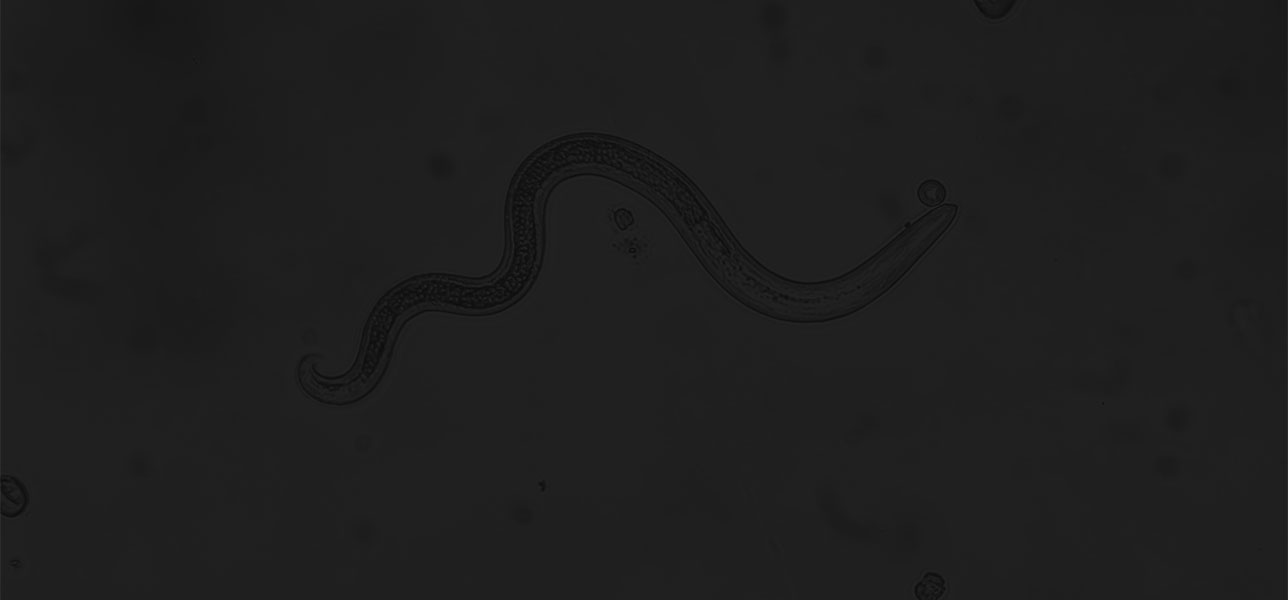
Root-Knot Nematodes
Root-knot nematodes (Meloidogyne spp.) are a major challenge for professional growers worldwide. Despite their microscopic size, these soil-dwelling pests cause significant economic losses, particularly in high-value horticultural crops.
A Persistent Threat to Crop Health
What are Root-Knot Nematodes?
Root-knot nematodes (Meloidogyne spp.) are a major challenge for professional growers worldwide. Despite their microscopic size, these soil-dwelling pests cause significant economic losses, particularly in high-value horticultural crops.
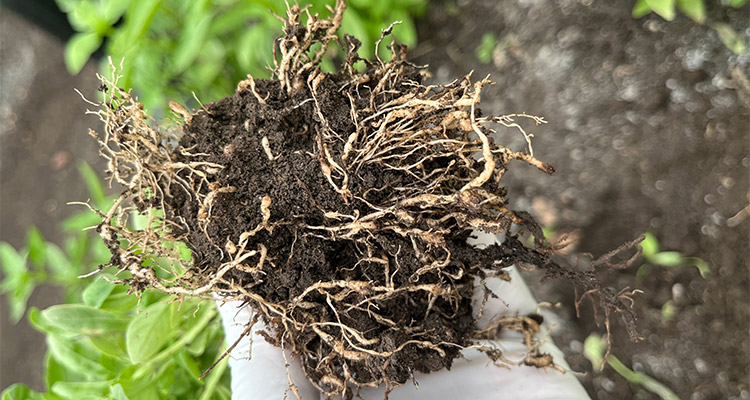
How Root-Knot Nematodes Damage Plants
Meloidogyne species are obligate plant parasites that invade and reproduce within root systems. Their presence leads to the development of characteristic galls or “knots” that disrupt normal root architecture and function.
As they feed, these destructive nematodes interfere with water and nutrient uptake, often resulting in stunted growth, wilting, poor yield quality, and reduced plant resilience. Damage is frequently misdiagnosed as nutrient deficiency or secondary disease, delaying accurate identification and effective intervention.
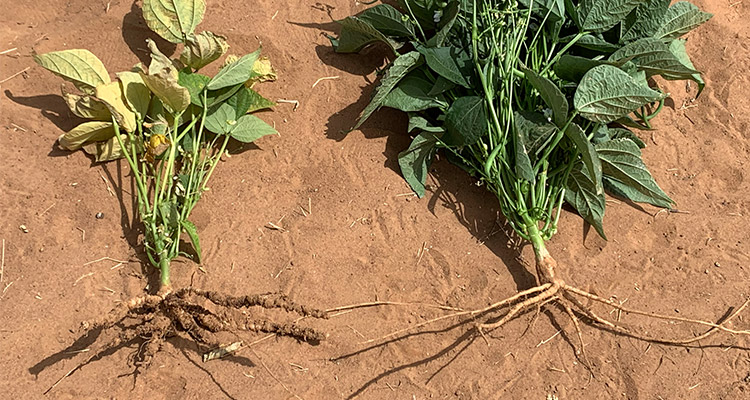
Meloidogyne Species Favour Intensive Cropping
Four species, M. javanica, M. incognita, M. arenaria, and M. hapla, are among the most economically significant globally. In regions such as southern Europe, where intensive fruit and vegetable production is common, yield losses caused by root-knot nematodes can reach 20–50% under high-pressure conditions.
Protected cropping systems, that play a vital role in regional food supply and farm profitability, are particularly vulnerable. These environments provide ideal conditions for rapid nematode reproduction— warm temperatures (25–30°C) and moist soils. In these conditions, Meloidogyne spp. can complete multiple life cycles per season, with populations increasing by a factor of over 1,000 during a single cropping cycle.
Nematodes – A Pest Problem on a Global Scale
Nematodes as a group are responsible for more than €75 billion in crop losses annually, and root-knot species are a leading contributor. All crop types are at risk, with damage often going undetected until performance is severely impacted.
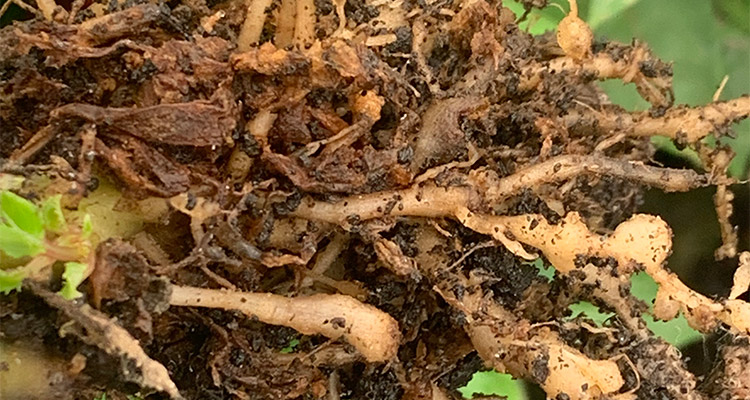
Root-Knot Nematodes: Management Challenges
Root-knot nematodes are endoparasitic (live inside the host), making management particularly complex. Juveniles (J2 stage) penetrate roots and initiate the feeding process, causing extensive internal tissue disruption. Management is further complicated by overlapping life stages in the soil and plant tissue, requiring strategic, multi-stage interventions for effective population suppression.
Sustainable Solutions to Combat Root-Knot Nematodes
As pressure grows to reduce reliance on conventional chemistry, the need for residue-free, resistance-smart solutions has never been greater.
Ecospray’s garlic-based nematicides, developed using patented technology, provide growers with a natural, effective, and sustainable tool to manage root-knot nematodes.
Our Products
Explore our portfolio of advanced biopesticides, designed to tackle the challenges of modern agriculture with sustainable, science-driven solutions.

Nemguard®
PCN
A granular, non-systemic nematicide specifically formulated for the reduction of potato cyst nematode
Nemguard®
SC
A highly adaptable garlic extract liquid nematicide for a wide range of cropping systems.
EGC
Granules
A nematicide formulated with natural garlic extract, developed for direct soil application.